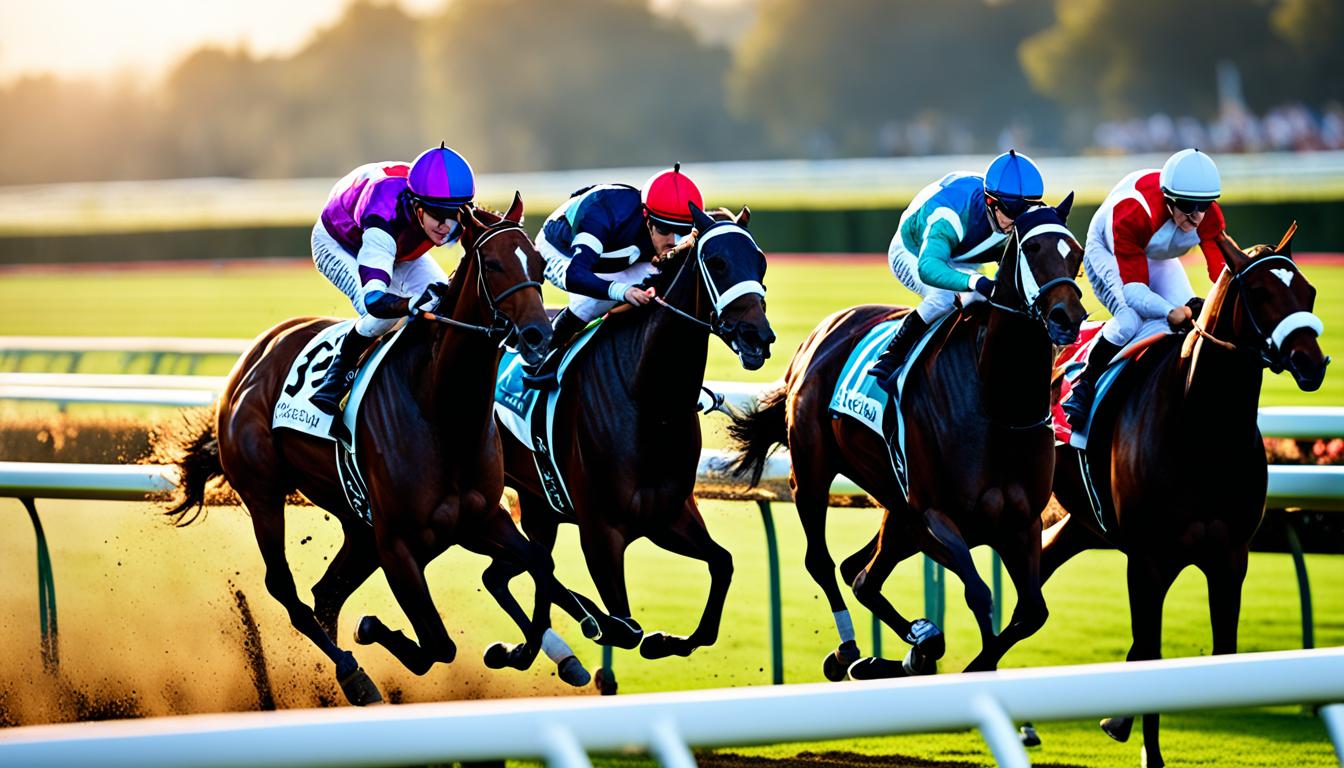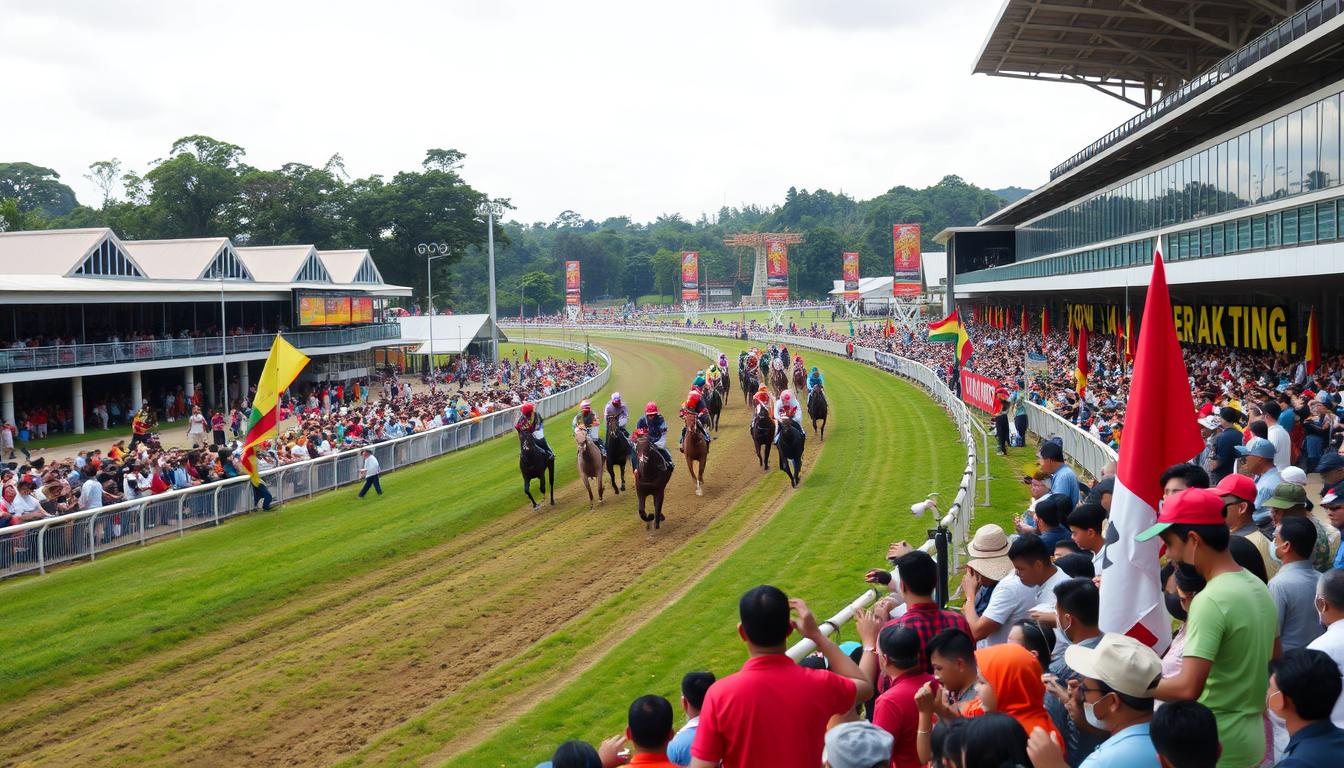
Want to catch tonight’s horse racing action in Indonesia? You can watch live night races tonight through official streams and venue broadcasts, with schedules and featured events announced by race organizers across tracks such as Tegalwaton and other regional hippodromes.
You’ll find practical details on tonight’s racecard, how to join betting pools or attend in person, and quick profiles of the horses and jockeys to watch. Expect clear tips on navigating the racecourse, where to stream or buy tickets, and what post-race reporting will tell you about winners and payouts.
This article walks you through the live schedule, viewing options, competing entrants, and the local impacts of evening racing—so you’ll know where to tune in, what to watch for, and how to make the most of the night’s events.
Overview of Night Horse Racing Events
Night horse racing in Indonesia blends competitive schedules, key racetracks, and organized governance to ensure safe, punctual evening meetings and spectator entertainment. Expect timed starts, floodlit tracks, and event listings managed by provincial clubs and national bodies.
History of Night Racing in Indonesia
Night racing began as a practicality to avoid daytime heat and to attract working spectators. Early evening fixtures appeared at regional tracks in Java and West Sumatra in the late 20th century, evolving from informal trials into scheduled programmed meetings.
The growth accelerated when venues installed permanent floodlighting and improved track surfaces, allowing official registration of evening races. You’ll find that modern night meetings now follow standardized rules for horse welfare, veterinary checks, and jockey licensing introduced by PORDASI and local stewards.
Cultural and commercial factors drove expansion: weekend night cards became family-friendly events with food vendors and live entertainment, while weekday evenings served bettors and trainers. Today, night racing combines sport, betting, and leisure under regulated conditions.
Key Venues for Evening Races
Legok Jawa (Pangandaran, West Java) hosts major evening fixtures, including regional derbies and Triple Crown qualifying races. The track’s floodlights and capacity for large fields make it a frequent site for nationally promoted night cards.
Jakarta-area venues stage smaller evening meetings, often linked to provincial racing clubs with timed programs and broadcast partnerships. Expect standardized paddocks, licensed starters, and veterinary inspection areas at these locations.
Other notable tracks include venues in Central Java and West Sumatra that run seasonal night series tied to local festivals. Each venue lists race times, entry conditions, and prize money on official schedules, so check the host club or event page before you plan attendance.
Major Organizers and Associations
Persatuan Olahraga Berkuda Seluruh Indonesia (PORDASI) serves as the national governing body overseeing rules, licensing, and coordination among provincial clubs. PORDASI issues race approvals and enforces welfare and safety standards you should expect at sanctioned night meetings.
Private promoters like Sarga.co and media partners such as tvOne and Vidio often organize and broadcast larger evening events. These organizers handle logistics—track lighting, timing systems, and spectator services—while liaising with PORDASI for regulatory compliance.
Local provincial racing clubs run daily or weekly night cards and manage entries, stabling, and on-site stewards. If you plan to attend, contact the organizing club for race programs, admission details, and any betting rules unique to that venue.
Tonight’s Horse Racing Schedule and Featured Events
You’ll find exact start times, the race order, key horses and jockeys to watch, and any special segments like stakes or exhibition races. Times and highlights vary by track, so check the specific meeting page or live stream for final updates.
Start Times and Race Order
Tonight’s main meeting typically begins between 18:00 and 20:30 local time depending on the track—major venues often start later to accommodate evening crowds and TV windows. Expect a sequence of 6–10 races spaced 20–30 minutes apart; warm-up and parade ring activity precedes the first official race by 30–45 minutes.
Typical race card layout:
- Race 1: Maiden or lower-class sprint (short distance).
- Mid-card: Conditions or handicap races (middle distances).
- Feature: Stakes or cup race (longer distance, higher purse).
- Late card: Novice or exhibition races, sometimes jump or trotting events.
Check the published race card for distances, class, and declared starters. You should note scratchings and late jockey changes; those often appear 1–2 hours before post time and can affect odds and betting pools.
Highlighted Horses and Jockeys
Look for horses with consistent top-three finishes and times that match tonight’s distance and track conditions. Past performance indicators that matter: recent speed figures, class drops or rises, and how they perform on wet versus dry turf.
Notable jockeys to follow are those with high strike rates at the host track or strong partnerships with local trainers. When a horse-jockey pair has multiple recent wins together, your chances of predicting placement improve. Pay attention to first-time blinkers or gear changes listed on the card; those often signal a tactical shift that can produce better performance.
Special Event Segments
Tonight’s feature race may carry a named title (e.g., Merdeka Cup-style event) with higher prize money and likely attracts the top stables. These segments draw larger fields and stronger betting interest, so tote pools grow and odds can shift rapidly.
Look for supporting attractions such as live streaming on national sports channels, promotional autograph sessions with jockeys, or exhibition gallops between races. If the meeting is part of a larger series or championship, points or qualification implications may be noted on the race card and influence trainer entries and race tactics.
How to Watch and Participate
You can stream races live, attend at the track, or place bets through licensed outlets. Each option has specific steps, ID requirements, and rules you should follow to stay legal and safe.
Live Streaming Platforms and TV Channels
Use official broadcasters and platform apps to avoid blocked streams or poor-quality feeds. In Indonesia, check national sports channels and platforms like Vidio for licensed live coverage; search their schedule for venues such as Hippodrome Bandung or Gelanggang Pacuan Kuda Tegalwaton.
Sign in or create an account ahead of race time. Some platforms require a paid subscription or pay-per-view ticket; have payment methods ready and verify regional availability.
Ensure your device meets streaming specs: stable 5–10 Mbps for HD, updated browser or app, and a charged battery or reliable power source. For live odds and replays, prefer platforms that integrate racecards, horse form, and split times. Bookmark official feeds to avoid fake streams and report suspicious links to the platform.
On-Site Attendance Guidelines
Bring a valid photo ID (KTP or passport) and proof of age; many venues restrict entry to 18+. Check the racecourse website for ticket types—general admission, grandstand, or hospitality—and buy tickets in advance to guarantee seating for major events.
Arrive early to pass security checks and to view horse warm-ups and paddock inspections. Follow venue rules: no outside alcohol where prohibited, no smoking in designated areas, and comply with marshal instructions for safety.
Use public transport or official parking to avoid fines. Carry small bills for on-course food, betting windows, and programs. Respect horse handlers and stable areas; do not attempt to touch horses without staff permission. If you need accessibility services, contact the venue before arrival to arrange seating or assistance.
Betting Procedures and Responsible Gaming
Bet only at licensed bookmakers or official on-course tote (pari-mutuel) windows to ensure payouts and consumer protections. Understand common bet types: Win (horse finishes first), Place (finishes in top positions), Exacta/Trifecta (correct finishing order), and Quinella (top two in any order). Check minimum and maximum stake limits posted at betting counters or on apps.
Register with a betting operator by verifying your identity per Indonesian regulations; keep account credentials private. Record your bets on a program or app to track losses and wins.
Set a budget and a time limit before you start betting. Never chase losses; use self-exclusion features or request account limits if you feel control slipping. For problem gambling help, contact local support services through venue information desks or the betting operator’s responsible gaming page.
Profiles of Competing Horses and Jockeys
Below are the standout horses and riders in tonight’s card, plus the trainers who prepare them and the recent form figures that matter for betting or watching.
Top Contenders and Racing Histories
- King Argentine (Stallion, 4yo) — Entered as a favorite after winning multiple Grade-level races and capturing a recent Derby-level title. You should note his strong finishing kick over 1,800–2,000 m and consistent gate speed.
- Stable Star “Bendera Merah” (Mare, 5yo) — Shows versatility across Turf and Synthetic tracks. She won two regional cups in the past year and often races prominently from the 3-rail.
- Young Sprinter “Cepat” (Gelding, 3yo) — Emerging talent with three recent sprint wins. You will see aggressive early pace tactics that either secure lead or leave him vulnerable late.
Focus on distance suitability, preferred track surface, and typical racing position. These factors predict whether a horse will handle the night track conditions and traffic.
Trainer Backgrounds and Strategies
- Munawir (King Argentine’s trainer) — Known for peaking horses at major events. He stages long, low-mileage gallops and uses targeted breeze-ups two weeks out to sharpen finishing speed.
- Pordasi-affiliated stables — Emphasize balanced programs for national circuits, rotating mounts to maintain horse fitness across multi-race festivals. You should expect careful stake placement.
- Private trainers for regional runners — Often rely on speed work and local trial results to set race tactics. They may enter shorter tune-up races to test form.
Trainers’ methods determine race-day behavior: whether a horse stalks, leads, or closes. Pay attention to recent changes in gallop patterns and jockey pairings; they often signal tactical shifts.
Recent Performance Statistics
- King Argentine: last 5 starts — 1-2-1-1-3. Average finishing position: 1.6. Best at 1,800–2,000 m.
- Bendera Merah: last 5 starts — 2-1-4-3-2. Wins on Turf: 60% of starts. Prefers inside draws.
- Cepat: last 5 starts — 1-1-2-1-5. Sprint splits show fastest 400m closing time in field.
You should check these metrics: win/place rates, average speed figures, and gate break times. Jockey-specific stats matter too — leading riders here post a 25–35% strike rate with their current mounts, which directly improves each horse’s win probability.
Racecourse Experience and Visitor Information
Expect practical details on buying tickets, choosing seating, and following the safety rules that keep races running smoothly. You’ll find where to buy tickets, what seating types mean, entry times, ID requirements, and the core safety checks enforced at most Indonesian racecourses.
Ticketing and Seating Options
Ticket sales usually open online and at on-site box offices the day of the event. You can buy general admission, grandstand, or VIP tickets; prices vary by race class and seat location. Online platforms often offer e-tickets that you show on your phone at entry, while box offices accept cash and card.
Grandstand seats give covered viewing and numbered rows; arrive 30–60 minutes before post time to secure good sightlines. General admission provides cheaper access to the infield and vendor areas but expect standing or unreserved benches. VIP packages may include paddock access, reserved parking, and hospitality; these require ID and sometimes a dress code. Check the event’s official page for age-based pricing, group discounts, and refund policies.
Safety Measures and Regulations
Racecourses enforce bag checks and metal detectors at main entrances; arrive early to clear security lines. You must carry a valid photo ID for certain ticket types and any age-restricted areas like betting rings or VIP lounges.
Restricted items typically include large umbrellas, glass bottles, unauthorized drones, and professional camera equipment without a media pass. Follow steward and marshal instructions near the track—do not cross barriers or enter the stable area. Medical tents and security posts sit near main gates; locate them when you arrive. If you plan to bet, bring cash or a linked account as some tracks limit card use at betting windows.
Impact of Horse Racing on Local Communities
Nighttime race meetings bring jobs, visitor spending, and cultural events to nearby towns while also affecting local traffic and social practices. You will see direct revenue flows, seasonal employment changes, and traditional activities tied to race nights.
Economic Contributions
You gain from increased local spending when races draw spectators from other districts. Ticket sales, food vendors, and on-site betting generate cash flow for track operators and local small businesses.
Employment spikes around events. Jockeys, stable hands, security staff, food stall operators, and temporary transport drivers often work evening shifts tied to race schedules. Vendors report higher takings on race nights compared with normal weekends.
Local hotels and restaurants benefit when races attract overnight visitors. Event promoters sometimes hire local contractors for lighting, sound, and temporary seating, creating short-term contracts that help household incomes.
Cultural Significance of Night Races
You encounter a distinct social rhythm during night races that differs from daytime meets. Communities treat evening races as social gatherings where families, kinship groups, and fan clubs meet after work.
Night races often preserve regional traditions. In some areas, local music, food specialties, and betting customs are integral to the experience, reinforcing identity and intergenerational knowledge about horses and riding.
You should also note community concerns: nighttime traffic, noise, and gambling-related issues prompt local authorities to set curfews or stricter crowd-control measures. These rules shape how communities participate and how race organizers plan future events.
Post-Race Highlights and Results Reporting
You receive immediate result feeds that list finishing order, times, and margins. Use those to verify official placings before logging outcomes into your records or betting apps.
Report key data points clearly: race number, winner, winning time, margins, jockey, and trainer. Present them in a compact table for quick scanning.
| Race | Winner | Time | Margin | Jockey | Trainer |
|---|---|---|---|---|---|
| 1 | Name A | 1:12 | 1.5L | J. Putra | T. Suryadi |
| 2 | Name B | 1:09 | Nose | S. Dewi | R. Hartono |
Highlight notable performances and incidents in short bullet points. Mention late surges, interference, track condition effects, or veterinary scratches that affected results.
You should timestamp each report and cite your source (track secretary, official live feed, or reputable local outlets). That practice helps you reconcile discrepancies if stewards later alter placings.
For bettors, include updated payout and odds movement after the race. List favorite upsets and any longshot payoffs in one-line entries so readers grasp the financial impact quickly.
Keep language factual and avoid speculation. If stewards open an inquiry, mark results as provisional and update once official decisions are posted.
Upcoming Night Racing Events in Indonesia
You can expect several night racing fixtures across Indonesia, often organized by PORDASI-affiliated promoters and local race clubs. These events typically feature multiple races per evening, with classes ranging from local sweeps to higher-stakes derbies.
Major venues that host evening cards include Sultan Agung (Bantul) and regional tracks such as Tegalwaton and Legok Jawa. Event organizers sometimes combine national series races—like Triple Crown legs—with special cups, so check race schedules for headline races and prize purses.
Typical event details to note:
- Date & start time: evening cards commonly begin after sunset, around 18:00–20:00 local time.
- Number of races: most cards run 10–18 races in one night.
- Entry and ticketing: tickets are sold at the gate and online for larger meets; premium seating may be limited.
If you follow live coverage, streaming platforms and social channels often broadcast key races. You should verify the official race day program for updates on scratchings, post times, and race order before you go.